Head to head
Brother SE600 vs SE700
The published differences amount to 55 designs and 0.1 in of work-area height. The interesting answer is the third option.
Compare
Every comparison here names a winner, says who should buy the other one, and offers a third option where the honest answer is neither.
3possible answers to every head to head, not two
The premise
By the time someone searches “SE600 vs SE700” they have decided to buy. They are not looking for an introduction to embroidery. They want one question answered: which of these two, and why.
Most pages that rank for these queries answer with a feature list and a conclusion that both machines are excellent choices for different people. That is not an answer. It is a way of avoiding one.
Every page in this section names a winner in the first fifty words, shows the specification table it was decided on, and then says plainly who should buy the other machine instead.
If you buy one thing
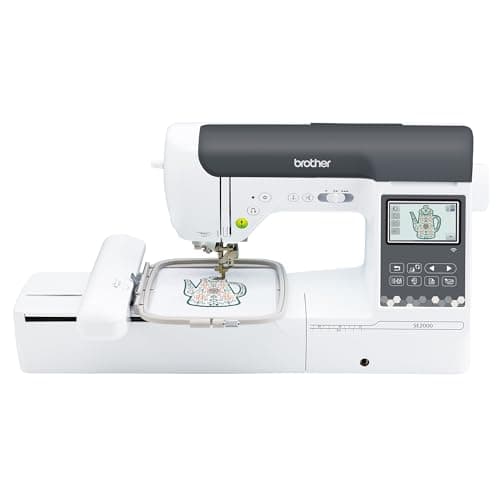
Brother · Upper combo tier
It wins more of these comparisons than anything else in its price range, because 5 x 7 in with published speeds, a color touchscreen and wireless transfer is simply a more complete machine than the models it is usually cross-shopped against.
Skip it if: You are going to want 6 x 10 in within a year. Buy the field you will need, not the field you need today.
#ad Price as of October 18, 2026, from Amazon. Prices change. How this site is funded.
What decides it
Sometimes the honest answer to “A or B?” is C. If two machines are separated by a design library and a screen size while a third machine one tier up doubles the field for a modest amount more, saying so is more useful than picking between the first two.
So every head to head on this site carries a “neither - get this instead” section. Sometimes it says the pair is genuinely the right shortlist. Often it does not.
Every comparison table on this site is built from manufacturer-published specifications, each row linked to the page it came from. Where a maker does not publish a figure, the cell says so. That happens more than you would expect - Brother publishes no embroidery speed for the SE600, SE700, SE1900, PE800, NQ3550W or the Luminaire XP3 flagship, which means a comparison between two of those machines cannot be resolved on speed by anybody, and any page that claims to has invented the numbers.
Where two machines have the same field - and Brother has four machines at 5 x 7 in - the comparison is decided on what genuinely differs: published speed, screen, connectivity, stitch count, and whether the maker documents the machine at all. We say which of those we weighted and why, on the methodology page.
SE600, SE700, PE800, PE900, SE1900, SE2000. Six machines across two fields and one brand, with overlapping prices and near-identical marketing. This is where most of the confusion in the category lives, and it is the densest cluster of comparison searches.
Here the comparison is not really machine against machine, it is ecosystem against ecosystem: hoops, design formats and dealer support do not transfer. The specification tables still decide it, but the switching cost is a real line item.
The largest decision on the site by money, and the one most often decided on the wrong number. People compare stitches per minute. The number that matters is thread changes per garment. That comparison is here, with the working shown.
Comparisons between machines nobody actually cross-shops, written to catch a search phrase. Every matchup on this page came out of real query data, and where we have not built one yet the honest reason is that we have not built it yet, not that it does not matter.
When two machines both look right
Head to head
The published differences amount to 55 designs and 0.1 in of work-area height. The interesting answer is the third option.
Head to head
119% more design area against a sewing head. The right answer depends entirely on what is already on your table.
Head to head
Same field, so the difference is entirely workflow: wireless transfer, a bigger screen, and speed figures that actually exist.
Head to head
Identical fields; the SE2000 adds wireless, a color touchscreen and the only published speed figures of the pair.
Head to head
Six axes compared, with the arithmetic on thread changes that decides this far more than stitches per minute does.
Head to head
Two ecosystems compared on published figures: range depth against documentation quality, plus the switching cost nobody mentions.
Head to head
The multi-needle decision, resolved on color count and bench space rather than on headline specifications.
Head to head
Two straight-stitch machines within 3% of each other, resolved on the thread trimmer against the pin feed.
Head to head
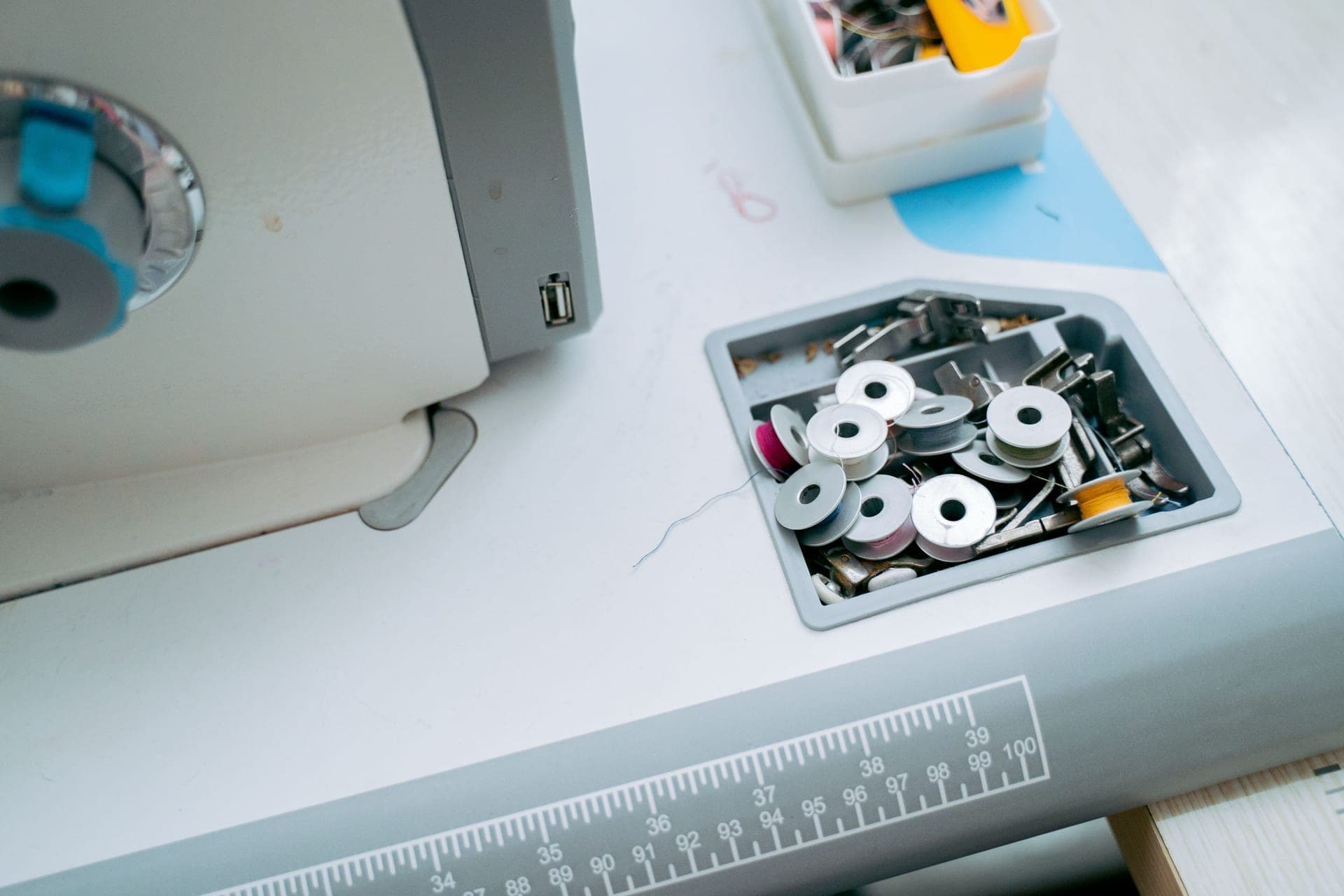
Two combination machines at around 60 square inches, separated by ecosystem depth and by how much each maker publishes.
Head to head
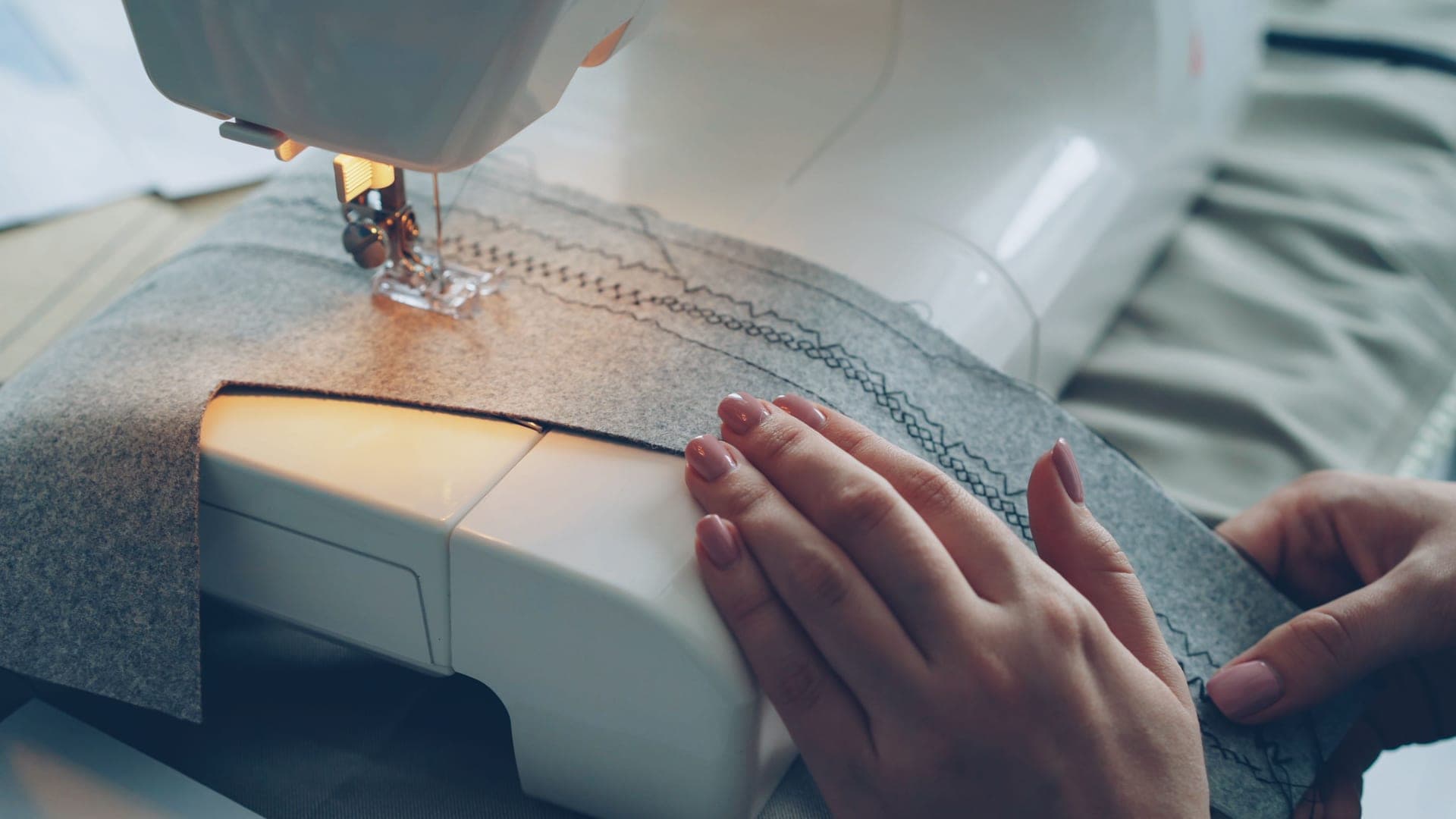
The one-machine-or-two decision, resolved on published throat opening and speed rather than on tidiness.
Head to head
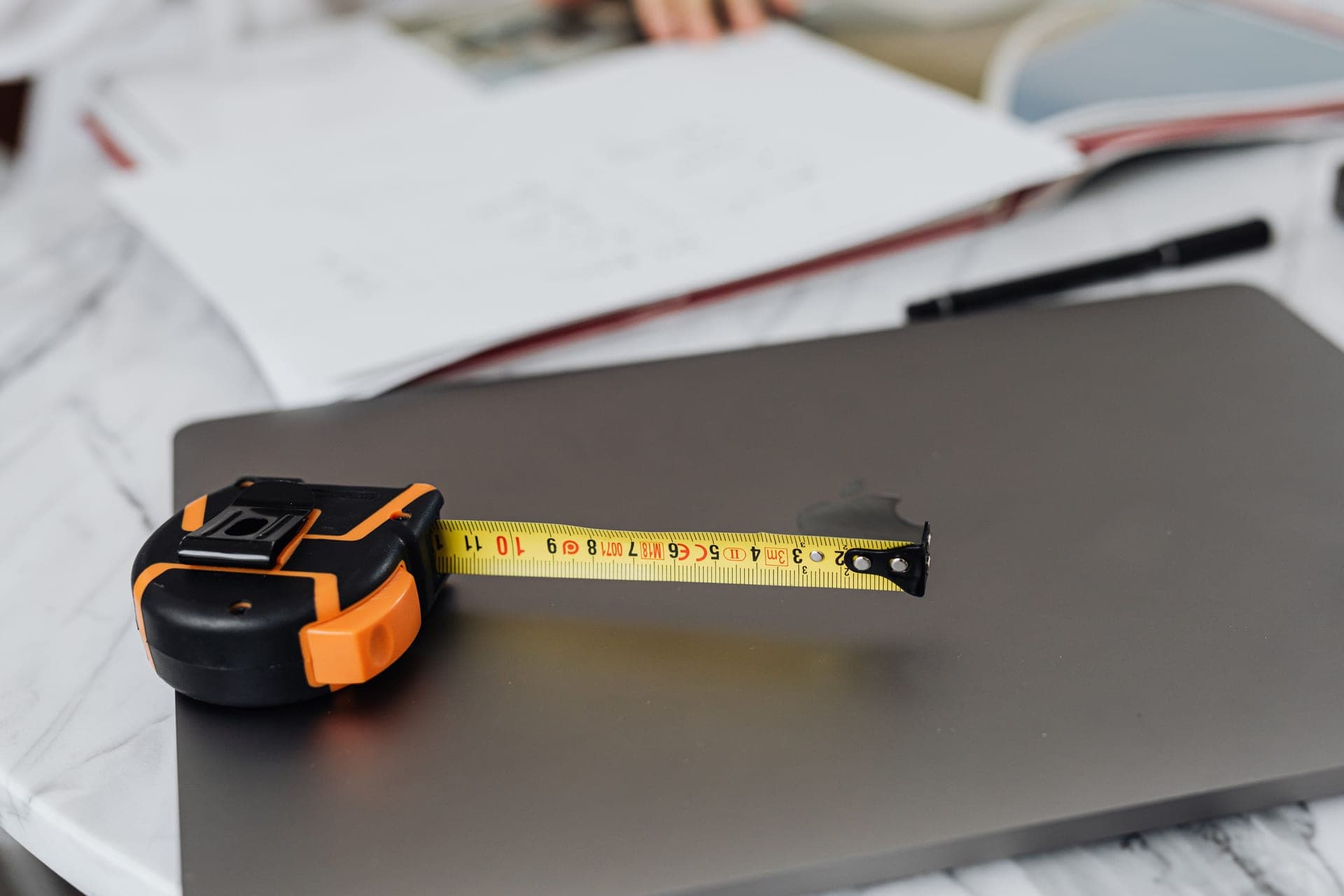
Why 20 inches on a frame is not twice 10 inches on a table, and how to compare the two categories honestly.
Head to head
The same 51 square inches of throat opening at the same 1,500 spm. One feature separates them, and here is who should pay for it.
Head to head
Two Brother straight-stitch machines separated by 0.1 in of width. What the newer page publishes that the older one does not.
Head to head
Two Brother machines with the same 5 x 7 in field. Whether you already own a sewing machine you like decides this one entirely.
Head to head
10 inches of width against 6 inches of height, and 200 stitches against one. The two honest answers to different questions.
Head to head
The two numbers everyone confuses: heads multiply output, needles remove thread changes. Where the buyable ceiling sits, and what is on the other side of it.
Head to head
Identical embroidery on both. The SE2000 adds 241 sewing stitches and a touchscreen; the PE900 does not sew at all. Which is right depends on one question.
Head to head
Identical published chassis, weight and speed. The CP100X adds 30 stitches, a metal frame and a fixed needle bar; the CS7000X fills in more of its spec sheet.
Head to head
70 stitches with a named walking foot and a published 750 spm, against 165 stitches with lettering, the lightest weight here, and two blank rows.
Head to head
What makes a machine a quilting machine, what you give up to get it, and whether a quilting machine can do your ordinary sewing.
The rest of the site
The upgrade decision is one question asked from five directions. These are the other four.