The short answer
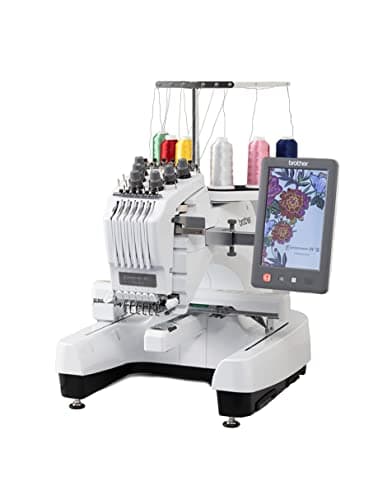
The Brother PR680W is the multi-needle machine to buy, and 1,000 stitches per minute is not why.
Six threads are already loaded. A six-color design runs from the first stitch to the last without you touching it. That is the entire proposition of this tier, and every other specification is secondary to it.
What a needle actually is, on these machines
On a single-needle machine there is one needle and one thread path. To change color you cut the thread, re-thread the machine through its tension discs and take-up lever, thread the needle, and test.
A multi-needle machine has a needle bar carrying four, six or ten needles, each permanently threaded with a different color. When the design calls for a color change, the bar shifts across and the next needle takes over. The machine does not stop and you are not involved.
That is the whole mechanism, and understanding it makes the buying decision obvious: needles are for color changes, not for speed.
The three machines, on published numbers
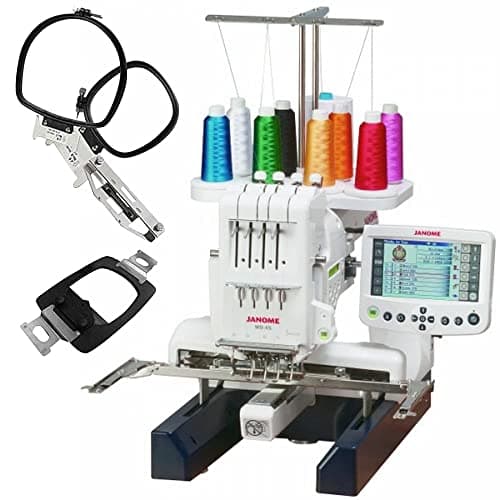
Published specifications for the multi-needle machines on this site| Machine | Needles | Published field | Max speed | Cap frame |
|---|
| Janome MB-4S | 4 | 240 x 200 mm (9.45 x 7.87 in) | 800 spm | Not listed |
|---|
| Brother PR680W | 6 | 12 x 8 in | 1,000 spm | Yes |
|---|
| Brother PR1055X | 10 | 14 x 8 in | 1,000 spm | Yes |
|---|
Note what does not change between the six-needle and ten-needle Brother: the speed is identical. Four extra needles buy colors, not throughput.
When the multi-needle tier pays for itself
The variable is thread changes per garment multiplied by garments per month.
A six-color design on a single-needle machine is five changes. At roughly two minutes each, that is 10 minutes of hands-on time per piece. Fifty pieces a month is 8 hours 20 minutes of your month spent re-threading.
At twenty pieces a month it is 3 hours 20 minutes - annoying, survivable. At two hundred it is 33 hours, which is a working week you are not selling. Somewhere between those, the machine pays for itself. Where exactly depends on what your hour is worth, which is a number only you have.
Four needles versus six
The Janome MB-4S is genuinely appealing for a reason that has nothing to do with stitching: Janome publishes its weight as 22.6 kg and its dimensions as 365 x 660 x 520 mm. That is a machine you can move. The six-needle Brothers are not.
The cost of that is the fourth-color ceiling. A five-color design on a four-needle machine still stops and waits for you, which removes most of the reason to have bought a multi-needle machine at all. If your work is reliably three or four colors, the MB-4S is the better purchase. If it straddles four and six, buy six.
Skip this
Skip the whole tier if your designs are one or two colors
Needles solve color changes. If you do not have color changes, they solve nothing, and the money is far better spent on field size: a single-needle 6 x 10 in machine like the Brother NQ1600E gives you 60 square inches at 850 stitches per minute for a fraction of a multi-needle machine.
The other reason to skip: none of these machines sew. If you need one machine that does everything, this tier is the wrong shape and the main roundup is the page you want.
And if you are selling from home rather than from a shop, the thread-change arithmetic that justifies this tier may not apply to you yet - the home business roundup shows the point at which it starts to.
What else changes at this tier
The screen. The PR680W has a 10.1 in high-definition display, against 3.7 in on Brother’s best single-needle machines. That sounds like a luxury until you are editing a design on the machine rather than at a computer, at which point it is the difference between possible and not.
The footprint. These are floor-standing or heavy-bench machines. Measure the space before you buy, including the clearance the carriage needs to travel the full field - it is wider than the machine looks.
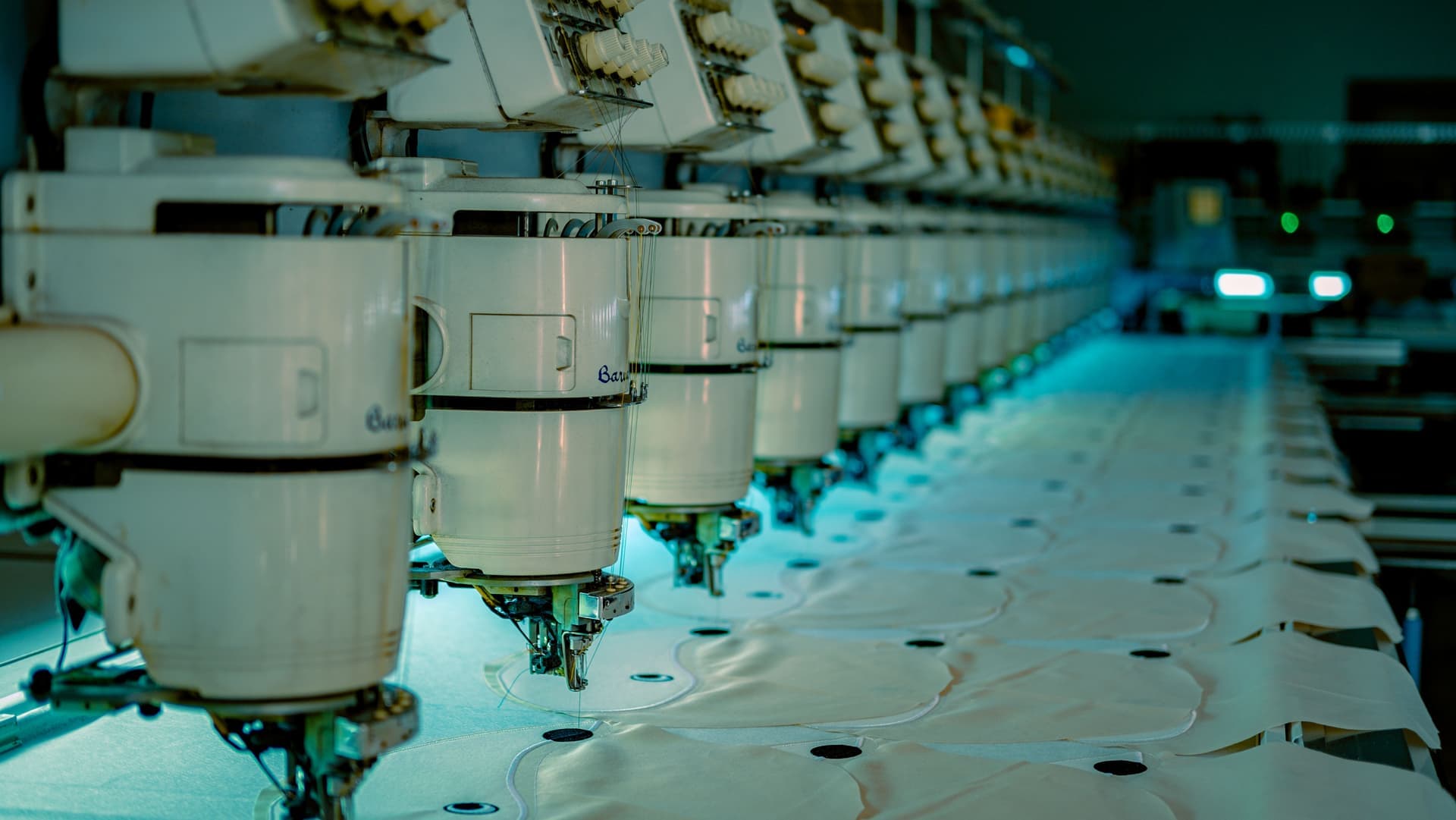
What this tier is not is multi-head. Every machine on this page has one sewing head and stitches one garment at a time; needles and heads are separate numbers that solve separate problems, and single-head vs multi-head works through which one your orders actually call for.
How this was ranked
Machines we claim to have tested: none. Everyone in this category says they tested twenty. We have not tested any, and we say so. What we did instead: built the candidate set from what Amazon actually stocks, read the published specification off each manufacturer’s own page, normalized every measurement into the same units and the same order, did the arithmetic on what each step up buys, and left every figure the maker does not publish visibly blank rather than filling it in. Every number on this page links to where it was published, so you can check the work in about five minutes.
- Sponsored placements
- 0
- Free machines accepted
- 0
- Specs linked to a maker page
- All
The full method, including what we refuse to claim